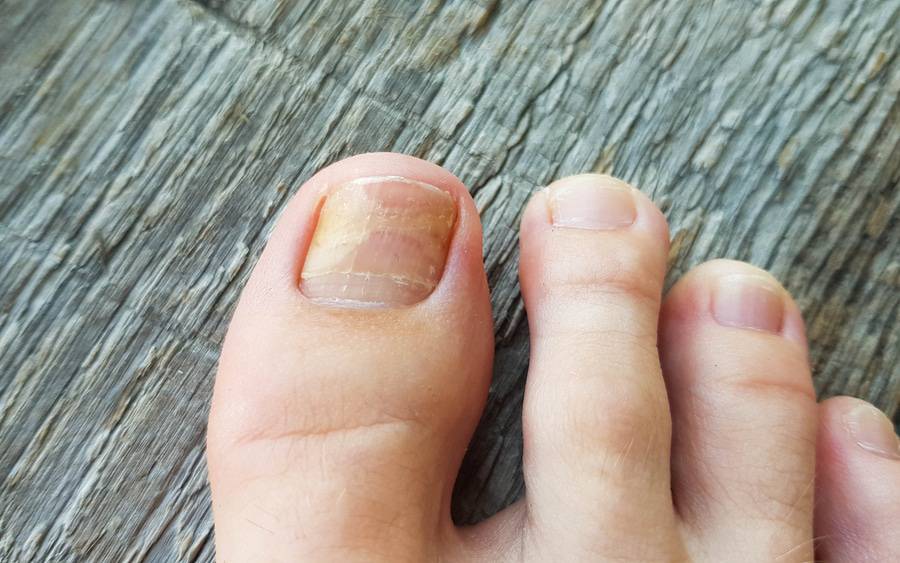
Nail fungus, medically known as onychomycosis, is a common and stubborn condition that affects millions worldwide. While not usually dangerous, it can be unsightly, cause discomfort, and sometimes lead to more serious complications, especially for individuals with diabetes or weakened immune systems. Understanding what it is, how to address it with natural remedies like essential oils, and how to prevent it is key to maintaining healthy nails.
Symptoms and Causes: The Unwanted Guest
The first signs of nail fungus are often subtle. You might notice a white or yellow spot under the tip of your toenail or fingernail. As the infection digs deeper, it typically causes more noticeable changes:
- Discoloration: The nail turns yellow, brown, or white.
- Thickening: The nail becomes noticeably thicker and harder to trim.
- Brittleness or Crumbling: The edges of the nail become ragged, brittle, and may crumble.
- Distorted Shape: The nail can lose its smooth shape.
- Darkening: Debris can build up under the nail, causing it to darken.
- Mild Odor: A slightly foul smell may be present.
This infection is caused by various types of fungi, including dermatophytes, yeasts, and molds. These microscopic organisms thrive in warm, dark, and moist environments. Common risk factors include walking barefoot in damp public areas (like pools and gyms), having a minor nail or skin injury, wearing tight-fitting or non-breathable shoes that make feet sweat, having poor circulation, or having a family history of susceptibility.
Can Essential Oils Help?
Yes, certain essential oils possess potent antifungal and antiseptic properties that can be effective against the fungi causing nail infections. They are not a guaranteed overnight cure—consistency and patience are crucial—but they offer a natural, accessible first-line approach, especially for mild to moderate cases. Key research-backed oils include:
- Tea Tree Oil: A renowned broad-spectrum antifungal and antiseptic.
- Oregano Oil: Contains carvacrol, a compound with strong antifungal activity. It is very potent and must be diluted.
- Lavender Oil: Offers antifungal benefits along with soothing properties for the skin.
- Thyme Oil: Known for its powerful antimicrobial effects.
How to Use Essential Oils at Home: A Step-by-Step Guide
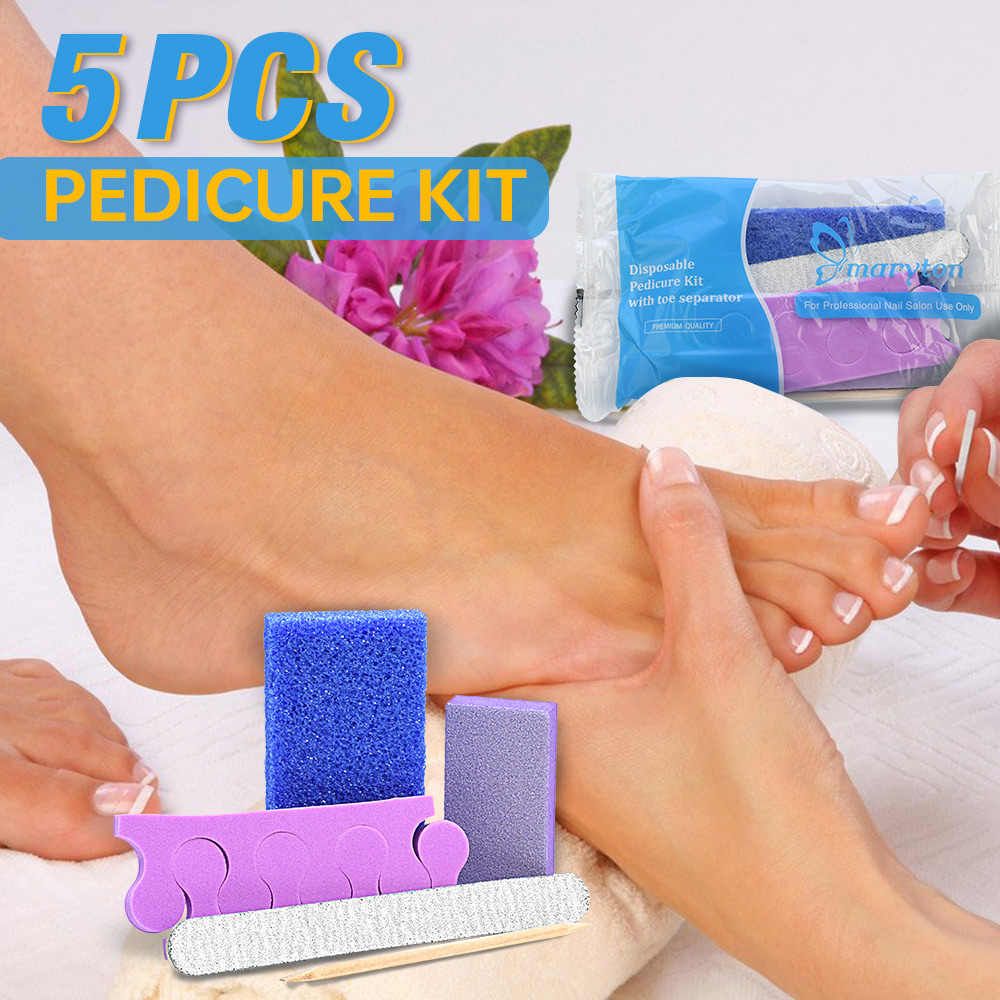
Important First Step: For best results, gently file down the thickened surface of the infected nail before application. This helps the oil penetrate deeper. Use a professional nail file for the infected nail to avoid spreading the fungus.
1. Dilution is Mandatory: Never apply undiluted essential oils directly to the nail or skin, especially oregano or thyme oil. They can cause severe irritation.
2. Create a Treatment Blend: Mix 2-3 drops of your chosen essential oil (e.g., tea tree) with 1 teaspoon of a “carrier oil” like coconut oil (which itself has antifungal properties), jojoba oil, or olive oil.
3. Application: Using a cotton swab or clean fingertip, apply the diluted blend directly onto the affected nail and the surrounding skin (cuticle). Ensure complete coverage.
4. Soak (Optional): For a more intensive treatment, add 5-10 drops of essential oil to a small basin of warm water and soak the affected foot or hand for 15-20 minutes. Dry thoroughly afterward.
5. Consistency: Repeat this process 1-2 times daily. It may take several weeks or even months to see significant improvement, as you must wait for the healthy nail to grow out.
Daily Prevention Tips
Preventing reinfection is just as important as treatment.
- Keep Feet Dry: Dry your feet thoroughly after washing, especially between the toes.
- Choose Proper Footwear: Wear moisture-wicking socks and shoes made of breathable materials. Alternate shoes daily.
- Protect in Public: Wear flip-flops or shower shoes in public pools, locker rooms, and communal showers.
- Tool Hygiene: Use clean, disinfected nail clippers and files. Do not share them.
- Choose Reputable Salons: It’s best to choose a nail salon that uses disposable pedicure kits.
- Manage Health: Control blood sugar if you have diabetes.
Medication vs. Essential Oil Therapy: How to Choose?
The choice depends on the severity, your health, and personal preference.
- Prescription Medications (Oral Antifungals): These are often the most effective conventional treatment for severe or widespread infections. They work systemically but can have potential side effects on the liver and require blood monitoring. Treatment courses are long (often 3-6 months).
- Topical Prescription Antifungal Lacquers: Less invasive than oral drugs but may be less effective for deep infections, especially on toenails.
- Essential Oil Therapy: Best for mild, early-stage infections, for those seeking a natural first approach, or for individuals who cannot tolerate prescription medications. It is generally safe with proper dilution, cost-effective, and has fewer systemic risks. The primary downside is the requirement for extreme patience and diligent, long-term application.
Conclusion
Nail fungus is a persistent adversary, but not an invincible one. Recognizing the symptoms early allows for more options. Essential oils, used correctly and consistently, provide a viable natural pathway to combat mild infections. Integrating strict preventive habits into your daily routine is essential to support treatment and stop the fungus from returning. For severe, painful, or spreading infections—or if natural methods show no progress after a few months—consulting a healthcare professional for medical options is the wisest course of action. Ultimately, a combination of knowledge, consistent care, and good hygiene forms the best defense for clear, healthy nails.
Read also: The Ultimate Foot Spa: From Salon Luxury to At-Home Ease